
Week 37
Week 37 of Pregnancy
Your baby's about the size of a bunch of Swiss chard, and you're likely feeling THOSE third-trimester aches and wiggles.
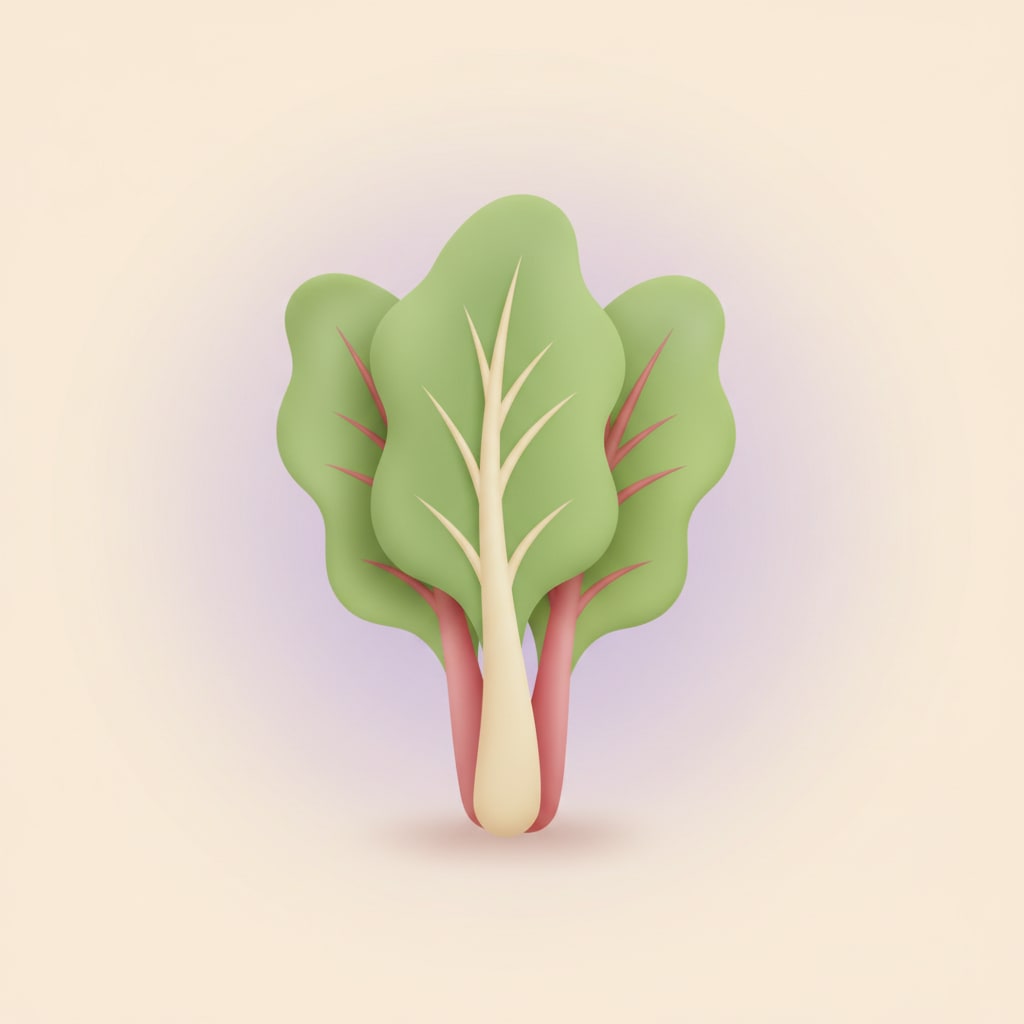
Baby's size this week
About the size of
a bunch of Swiss chard
- Length
- 18.9 in (48 cm)
- Weight
- 6.28 lb (2.85 kg)
About the size of a bunch of Swiss chard, and packing on those final layers of fat.
Sophie reads you this week
A short note, out loud·1:09
What to Expect During Week 37
Your baby's head might be dropping lower. This is called 'lightening' or 'engaging,' and it’s common for first-time parents to feel it around now. You might notice more pressure in your pelvis, hello, waddle!, but also a little more breathing room, since your baby isn’t crowding your lungs as much.
Your baby’s brain and lungs are still maturing. Even though they’re technically full-term, those last developmental touches are happening. They’re also shedding some of that fine hair (lanugo) and vernix, the waxy coating that’s been protecting their skin in the amniotic fluid.
You might be feeling Braxton Hicks contractions more often. These practice contractions can feel like a tightening or squeezing in your belly. They’re usually irregular and go away if you change positions or rest. But if they become more consistent or painful, it’s worth timing them, it could be the real deal.
- Pelvic pressure. Your baby’s position can make even walking feel like a workout. Try gentle stretches or a warm bath to ease the ache.
- Nesting urges. Suddenly reorganizing the pantry? That burst of energy is your body’s way of prepping for the big day.
- Swelling. Some puffiness in your feet and ankles is normal. Keep your legs elevated when possible to help.
Things to Be Aware Of During Week 37
Pay attention to your baby’s movements. Even though space is tight, you should still feel regular kicks and rolls. Many providers suggest keeping track daily, a noticeable decrease could warrant a call to check in.
Watch for signs of preterm labor. If you notice regular contractions, lower back pain, or any fluid leakage (especially if it’s clear or pinkish), let your provider know right away. These could be signs that your body’s gearing up.
- Headaches or vision changes. These can sometimes signal preeclampsia, especially if paired with swelling or upper abdominal pain.
- Bleeding. Any bright red blood could be a sign of something serious, like placental abruption.
- Fluid leakage. A sudden gush or slow trickle might mean your water’s broken.
What Might Happen During Week 37
You’re officially full-term. That means if labor starts now, your baby’s ready to meet the world without being considered premature. Many providers will check your cervix at prenatal visits to see if you’re dilating or effacing.
A Group B strep test might be coming up. This quick swab checks for bacteria that could affect your baby during delivery. If it’s positive, you’ll likely get antibiotics during labor to protect your little one.
Your provider may discuss induction. If certain conditions arise (like preeclampsia or gestational diabetes), they might suggest starting labor artificially. But if you and your baby are both healthy, waiting for labor to start naturally is often fine.
- Pack your hospital bag
- Finalize your birth plan
- Install the car seat