
Week 8
Your baby's first tiny movements
Your baby is now the size of a raspberry, and those first fluttery movements are beginning, though you won't feel them for weeks yet.
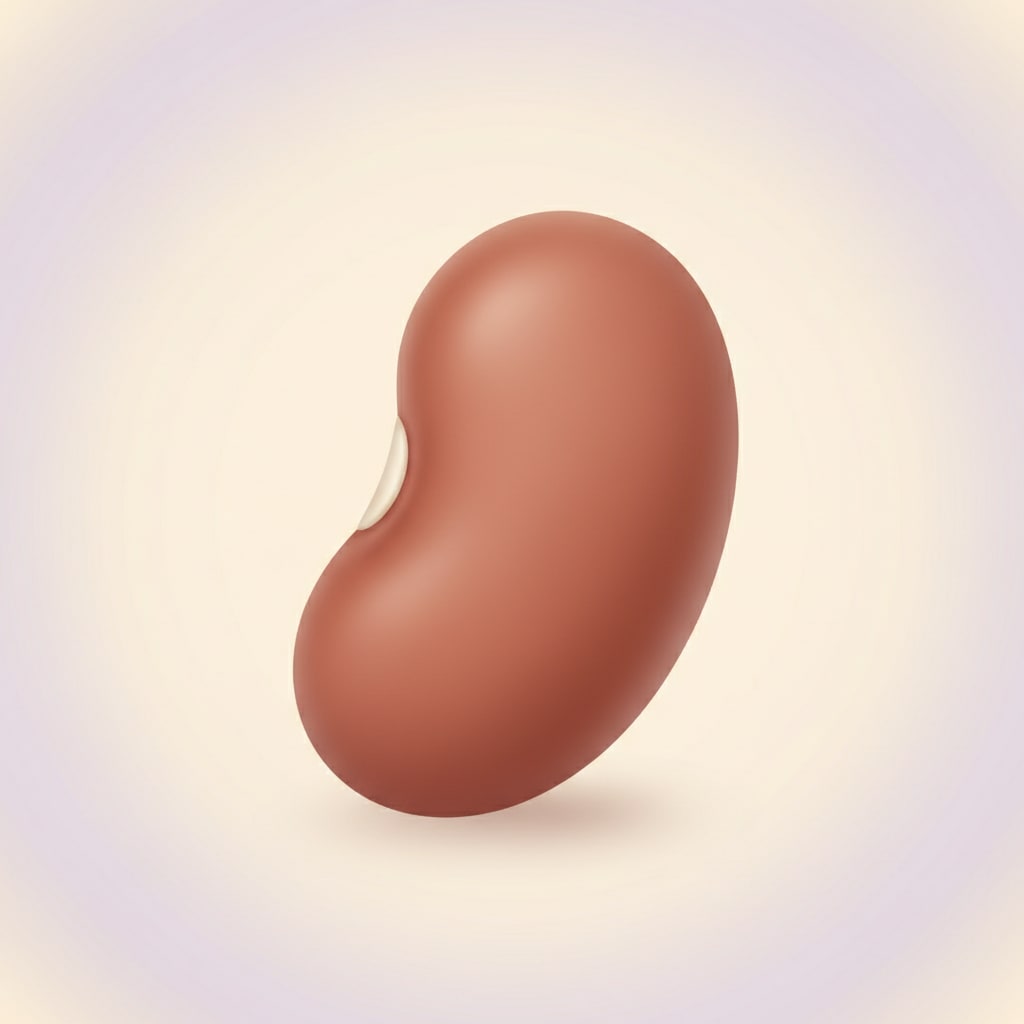
Baby's size this week
About the size of
a kidney bean
- Length
- 16 mm
- Weight
- 1 g
About the size of a raspberry, with tiny paddles for hands and feet starting to form.
Sophie reads you this week
A short note, out loud·1:25
What to expect
Your baby’s face is taking shape. Tiny nostrils form this week, and the upper lip emerges. The eyes are still wide-set dark dots, but eyelids are beginning to cover them. That tail from early weeks? Nearly gone now.
Those flutters aren’t in your head. Your baby is making their first spontaneous movements, tiny twitches of the developing limbs. You won’t feel them for months, but the neural pathways are already practice-running.
- Intense fatigue. Your body’s building a placenta this month. That’s like running a marathon while napping. A 20-minute lie-down after work isn’t indulgent, it’s biologically necessary.
- Food aversions. Suddenly repulsed by coffee or meat? Blame heightened smell and taste. This primal reflex may protect against toxins (even if it means your partner can’t toast bread near you).
A quote to carry with you:
The days are long, but the weeks are short. What feels overwhelming now will be a memory sooner than you think.
Things to be aware of
Morning sickness might peak this week. The surge in hCG can leave you queasy all day, not just mornings. Plain crackers before getting up, small frequent meals, and fizzy water can help take the edge off.
- Spotting. Light spotting can be normal as the uterus grows, but call your provider right away if it’s heavy or accompanied by cramping.
- Severe nausea. If you can’t keep down water or food for 24 hours, mention it. Dehydration is the real concern.
- Vanishing symptoms. Don’t panic if sore breasts or fatigue ease suddenly, hormones fluctuate, and it doesn’t always mean something’s wrong.
What might happen
Your first ultrasound may happen around now. Many providers schedule a “dating scan” between 8–10 weeks to confirm your due date. You’ll likely see the flicker of a heartbeat, a surreal little proof that this is real.
- Ask if your provider recommends genetic carrier screening
- Start a prenatal vitamin with at least 400 mcg folic acid if you haven’t yet