
Newborn·4 min read
The feeling word that changed how my daughter talked to me
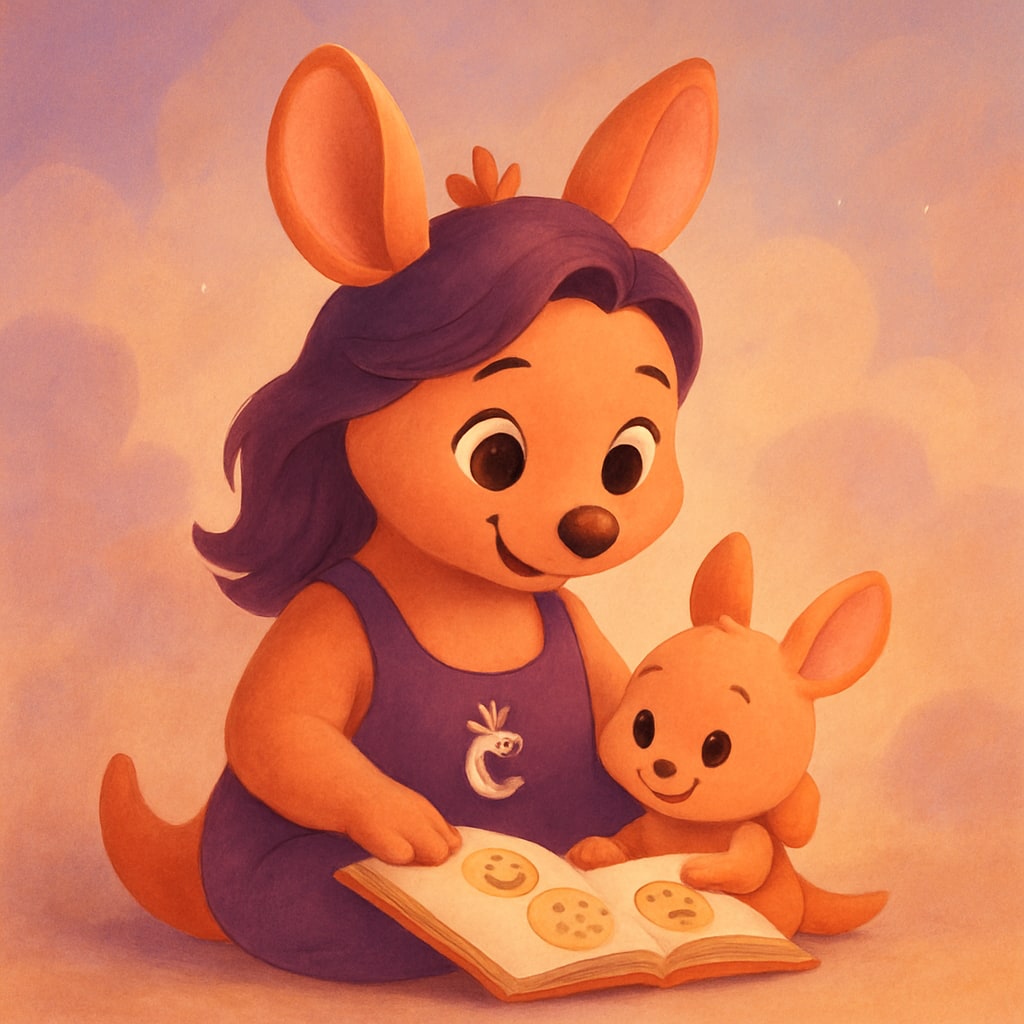
You know that moment when your little one looks up at you, and you just feel all the feelings? My daughter and I had one of those moments on a rainy afternoon, tucked under a blanket, with crayons strewn everywhere and a half-finished drawing of what I think was supposed to be a cat. As she shared her emotions about the picture, how she felt happy, but also a little sad because her cat was missing an ear, I was struck by how she was naming feelings in a way I'd never really heard her do before. This was new territory for us.
How one word can open a world of understanding
In that moment, it hit me: words have power. I remembered how often we skip over feelings, especially when we’re busy or tired. It’s easy to say things like, "You're feeling grumpy today, huh?" But actually stopping to acknowledge the real emotions behind that grumpiness? That’s a game changer.
I started to see how naming emotions, even simple ones like happy, sad, or mad, transformed our conversations. My daughter began to articulate what she was feeling, rather than just making noise about it. Suddenly, our chats shifted from me guessing at what was going on inside her head to her actually expressing her feelings. No more toddler tantrums over missing crayons opened a whole new line of communication, rich in connection.
Teaching her about emotions can benefit both of us
The emotional landscape was vast, but where to start? I found myself diving into different techniques, making it playful yet meaningful. After all, it’s not about being perfect; it’s about being present. Here are a few fun ways we’ve made it a habit to talk about feelings:
- Feelings chart. We created our own colorful feelings chart with silly drawings. It's a visual guide that helps her point to her feelings instead of just saying, "I’m mad!"
- Storytime connections. We started connecting our reading selections with feelings. After a story, I’d ask, "How do you think the character felt when that happened?"
- Emotion charades. We play a game where we take turns acting out feelings without using words. The silliness of it encourages her to explore emotions, shy giggles included.
Invite feelings into everyday life.
Want to kickstart your own emotional discovery? Here's a thought: include feelings in your everyday conversations. Go for walks and ask your little one how they feel about the world around them, the clouds, the grass, the crunchy leaves underfoot. These simple moments can cut through the noise and lead to deeper connections.
As you navigate this wild ride of parenting, remember: you're not just shaping a kid but nurturing a communicator. By inviting your child to talk about their feelings every day, you're planting seeds for robust emotional intelligence. Trust me, this is a beautiful journey. You’re doing amazing!
- communication
- toddler
- parenting
- emotions
Keep reading
More from the blog
 Newborn
When your kid only wants to wear one outfit
You wake up one morning to find your toddler in the same shirt they've insisted on wearing for the past two weeks. Here's why it happens, and how to navigate it without a battle.
 Newborn
How to encourage your toddler's independence without losing your mind
The push for autonomy is developmental gold. It’s also exhausting. Here’s how to foster independence without losing your grip (or your patience).
 Newborn
Why Does My Toddler Suddenly Hate Baths?
You’re mid-bath routine when your toddler screams, arches their back, and refuses to get in the tub. What changed? Here’s what might be going on, and how to handle it.